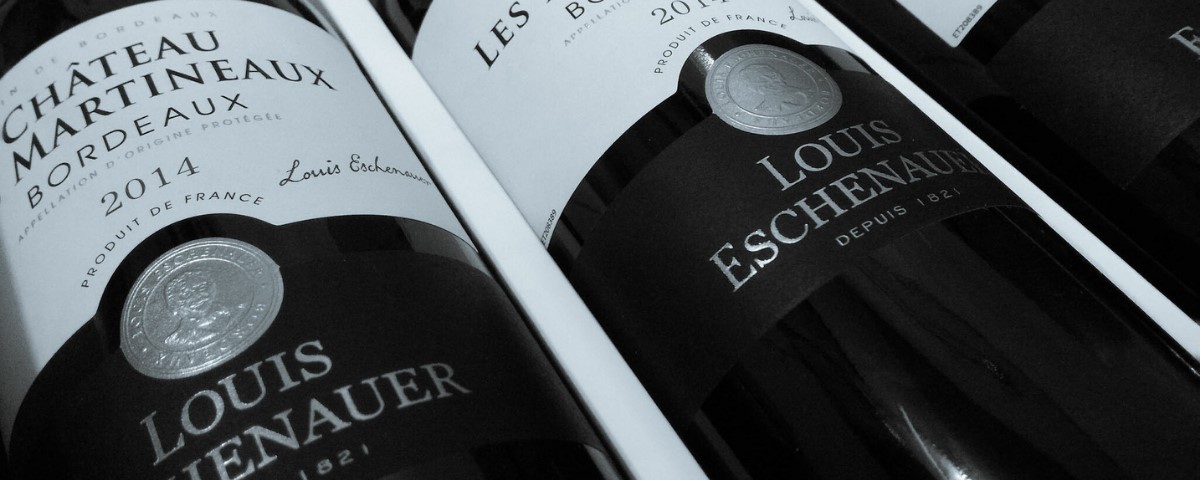
There are 12 regions for wine-making in France, each with its distinct flavors that are praised for different reasons. These regions are Alsace Valley, Bordeaux Valley, Burgundy Valley, Beaujolais Valley, Champagne Valley, Médoc Valley, and Loire Valley. Bordeaux and Burgundy have been the subject of perhaps the oldest and most heated debates in the French wine world for years.
Only 3% of all French wines produced include Burgundy, but it is a highly prized and respected wine. Producing around 900 million bottles of wine a year, the Bordeaux Valley is one of the most popular wine regions in the world. In general, Bordeaux wine has a European and elegant taste, while Burgundy wine has a more bohemian taste. However, the fundamental difference between these two doesn't end there.
Bordeaux wine is produced in the Bordeaux region of the same name in the southwest of France, while Burgundy wine is produced in the east of the country, also named after the region. Since the grapes used in the production of the wines are grown in different regions, this difference changes the taste of the wines. Bordeaux has mild winters and hot summers. The region has heavy rainfall in the spring months and the soil is composed of limestone and gravelly sand. This soil type makes the region suitable for a wide variety of grapes. Therefore, grapes which wines are made from these have an intense flavor, lower acidity, and ripe fruit flavor. On the other hand, the Burgundy region is subject to hot summers, cold winters, heavy rainfall, and hail. The soil of this region is composed of limestone but also contains clay. The fact that this type of soil is the most fertile for Chardonnay grapes and adds an excellent flavor to Burgundy wine. All these factors contribute to Burgundy wine having a light, earthy, spicy taste, more acidic flavor, and lower alcohol content.
As well as the influence of climate and soil types that grape varieties are used in winemaking and how they are grown also has an undeniable influence on the flavors of Bordeaux and Burgundy wines. Furthermore, it is the production style that makes the most basic difference. Bordeaux usually creates its blend by blending the 3 main grape varieties of the region. These are mainly Cabernet Sauvignon, Merlot, and Cabernet Franc, but rarely are Malbec and Carménère grapes used. White Bordeaux wines are produced with Sauvignon Blanc, Semillon, and Muscadelle blends. On the other hand, Burgundy wines are produced in smaller areas and in a more decent cooperative farming style. In addition to smaller production rates, Burgundy winemakers also have a more compact range of grape selections. Pinot Noir and Chardonnay are their favorite grape types. Burgundy wines are less varied and rarer with a limited selection of materials.
The highest quality Bordeaux wine is classified as Premier Cru Classe, while the highest quality Burgundy wine is classified as Premier Grand Cru Classe is another difference between these wines. These classifications are done differently in the two regions. In Bordeaux, each vineyard is evaluated one by one, while in Burgundy it is evaluated on specific plots.
In various parts of the world, wine tasting events are organized every year in wine houses and private vineyards.
26.11.2022