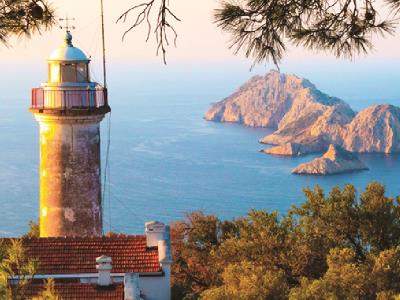
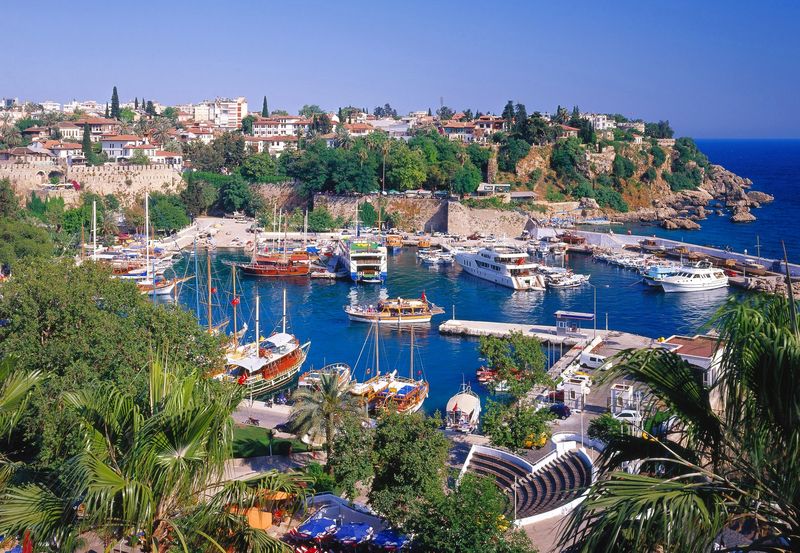
The magnificent geography of the ancient world's most special cities... Indeed, we have presented, and continue to present, a unique inventory of our subject, the Lycian Civilization. The territory covered by the Lycian League encompasses the Antalya region, a bit of Muğla, and a bit of Burdur province. Therefore, I strive to introduce you to this unique civilization and its culture, civilization, art, and achievements whenever possible. Who knows, perhaps in the future, we will compile this series of articles into a book, publish it in different languages, and thus have the opportunity to share the value of all aspects of human history with a wider audience.
Antalya is the World's Favorite with its Ancient Cities and Magnificent Hotels Serving Tourism
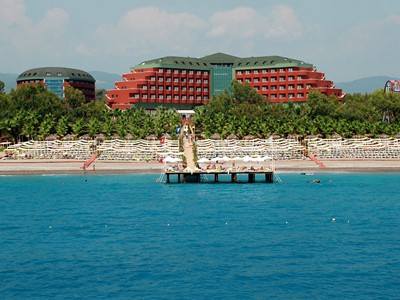
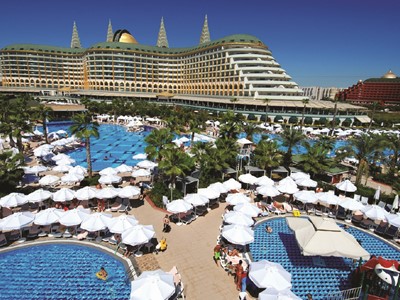
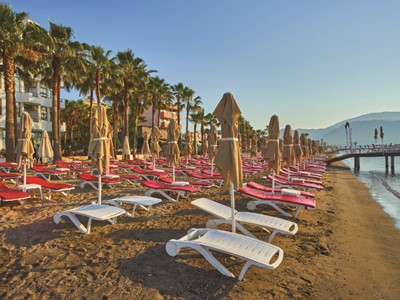
Antalya is the world's leading holiday destination not only for its ancient cities but also for its unparalleled quality hotels and tourism offerings. No matter which city or district you visit, you're sure to find a resort you'll be happy to stay in, as well as structures that bear the traces of thousands of years of history. You won't know the privilege of a holiday in Antalya until you actually visit.
Antalya, with its excellent infrastructure, is one of the oldest settlements in Anatolia. Today, Antalya, Turkey's most populous and fifth-most modern province, is a paradise of history, nature, and tourism. While the city's history dates back to the era when it first appeared in Anatolia, the remains of over 100 cities have been unearthed in the region. These ruins illuminate the Hittite, Lydian, Persian, Ionian, Macedonian, and Roman civilizations that established themselves in the region throughout antiquity. The Antalya Archaeological Museum, home to some of Türkiye's most extensive artifacts, is a significant historical center worth visiting if you ever find yourself in the area.
Antalya is also home to ancient cities that have become popular around the world, such as Alanya, Side, Perge, and Demre.
The cities unearthed, particularly Alanya, Side, Perge, and Demre, have been Anatolia's primary trading hubs throughout history. Ancient cities such as Myra, Patara, and Olympos are among the most important ancient cities involved in maritime trade. These cities sometimes fell under pirate control, and sometimes maintained their existence based on religious principles. The history of the valuable ancient cities, which compete with each other along Türkiye's Aegean coast from Mersin to Antalya, reveals a vast history that would be too vast to even be written. It is possible to trace settlements that were destroyed, emptied, and then revived by invasions and natural disasters throughout the region.
-
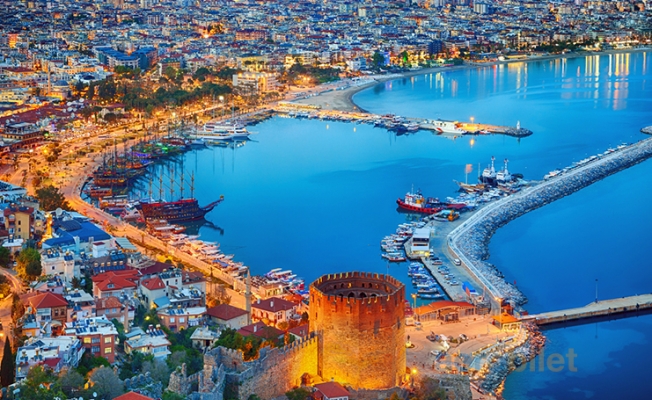
Alanya -
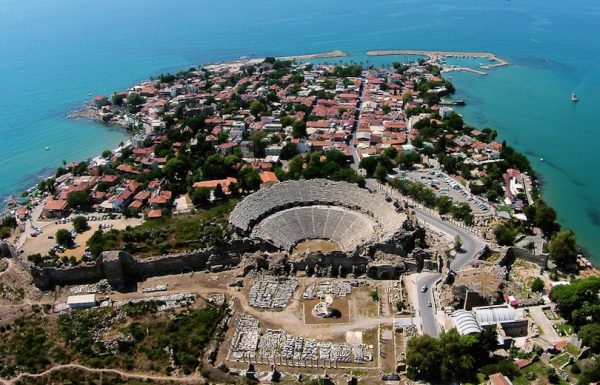
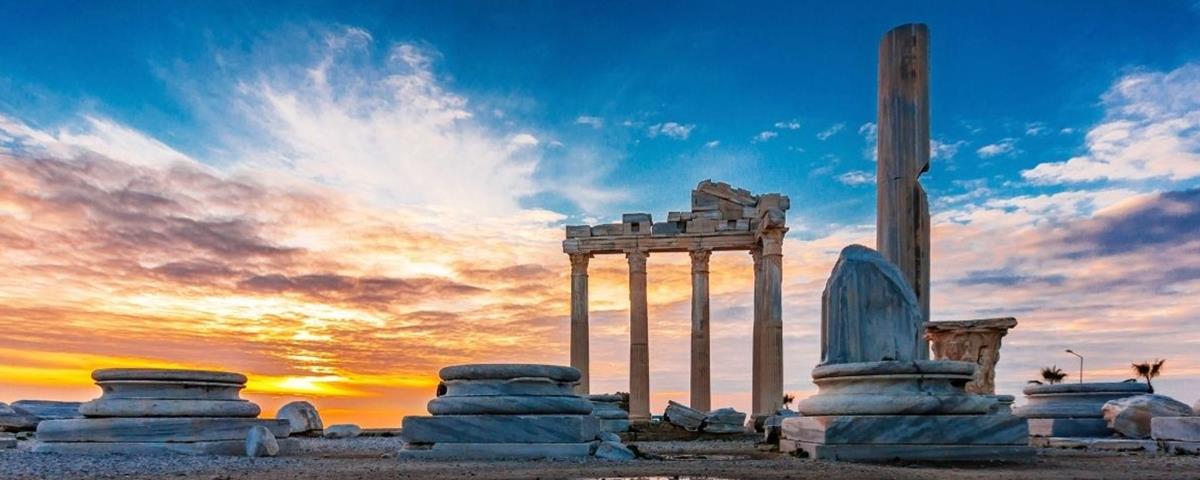
Side Ancient City -
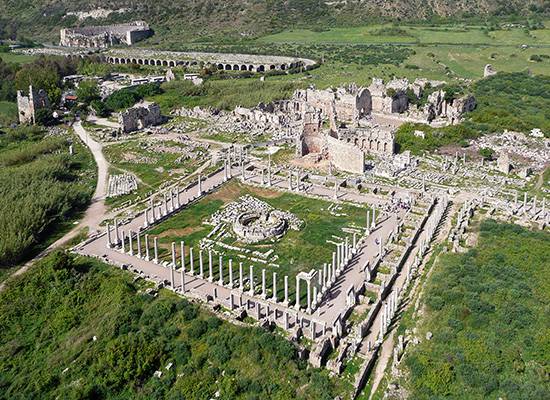
Perge Ancient City
Many of the statues dedicated to gods and nobles in ancient cities date back centuries, with the Romans taking these artifacts to the Greek mainland, marking the beginning of a massive migration of artifacts. The Lycian civilization's current provincial borders encompassed all of Pamphylia [1], Cilicia [2], Lydia, and parts of Pisidia.
Antalya of the Ancient World was founded by King Attolus II of Pergamum (160-138 BC)
Antalya was founded by King Attolus II of Pergamum (160-138 BC), the son of King Attalus I and Queen Apollonis, brother of Eumenes II, and King Attolus II of Pergamum. The city's known history, believed to derive from "Attaleia," begins between 262-133 BC during the reign of the Kingdom of Pergamum, one of the greatest central powers in Western Anatolia. Attolus II of Pergamum (159-138 BC), a member of the Kingdom of Pergamum, used Antalya, a natural harbor on the Pamphylian coast, as a base for his attacks to expand his kingdom eastward and had it rebuilt. The city was named "Atteleia" in connection with his name. A statue of Atteleia, erected in his honor in the present day, is on display in Antalya.
Antalya was the largest and most powerful center of Western Anatolia between 262 and 133 BC.
Another mythical foundation story for the city goes like this: Attalus II, searching for a site to establish a new city, commanded his men to "find paradise on earth." After a lengthy search, they decided that the site of today's Antalya could be "paradise on earth." Therefore, Attalus II founded the city there and named it "Attaleia."
According to some records, the city's founder was Mopsos. The name "Aspendos" appears on coins from the 5th-31th centuries BC. This name is also confirmed by Thucudides and Xebophones. The name "Estvedijys" appears on some coins. The same coins also list Mopsos as the city's founder. Mopsos is the ancestor of the kings of Cilicia (Çukurova) (the Asistawandas). Inscriptions by the Asistawandas state that their ancestor, Mopsos, was the founder of many cities in Cilicia.
Strabon and Pomgonius Mela write that Antalya was founded by the Argives
Strabo and Pomgonius Mela write that the city was founded by the Argives. This suggests that, after the Achaeans, the Dorians colonized the city.
Inscriptions dating to the early 2nd century AD were found in the excavation of the courtyard behind the round-towered city gate at Perge. It is understood that Perge had six founders: Mopsos, Calchasd, Makhaon, Leontheus, Roksos, and Labos. Of course, based on the example we've given here for Perge alone, it's possible to find numerous temples in other ancient cities built in their honor, believed to be protective. One of the most memorable features of Lycian civilization is the monumental tombs and sarcophagi belonging to the Lycians. There are so many sarcophagi in the region that even if you tried to count them, the number would undoubtedly exceed thousands.
The Luwians are the Lycians themselves
The Lycians were the Luwians, ancient Anatolian peoples, and the Luwians, in turn, had kinship with the Hittites. Archaeologists are uncovering these discoveries through ongoing excavations, illuminating many hidden values from a history stretching back thousands of years, establishing a significant connection between the present and the past.
As the Romans conquered Anatolia and expanded their borders, the local people struggled to accept this. In some places, mass suicides occurred, leaving not a single person behind. Furthermore, we see that the Roman governors appointed to govern their cities and the settlement of a few noble families, for a long time, did not establish a common connection with them, and they did not even bury their remains in the same area. Consequently, every ancient city had two cemeteries.
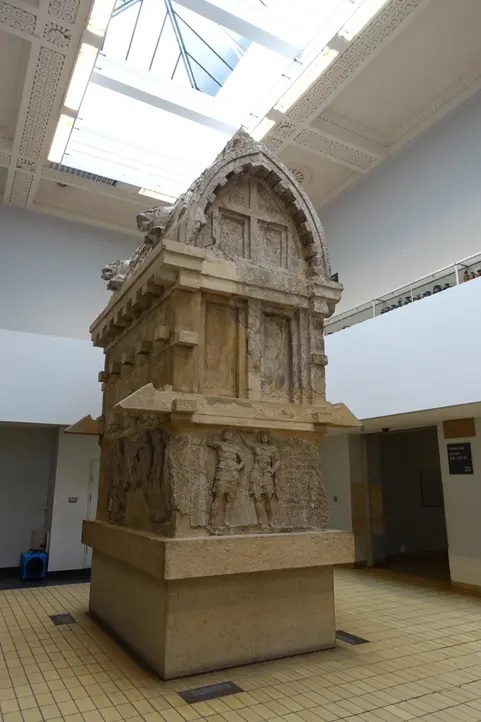
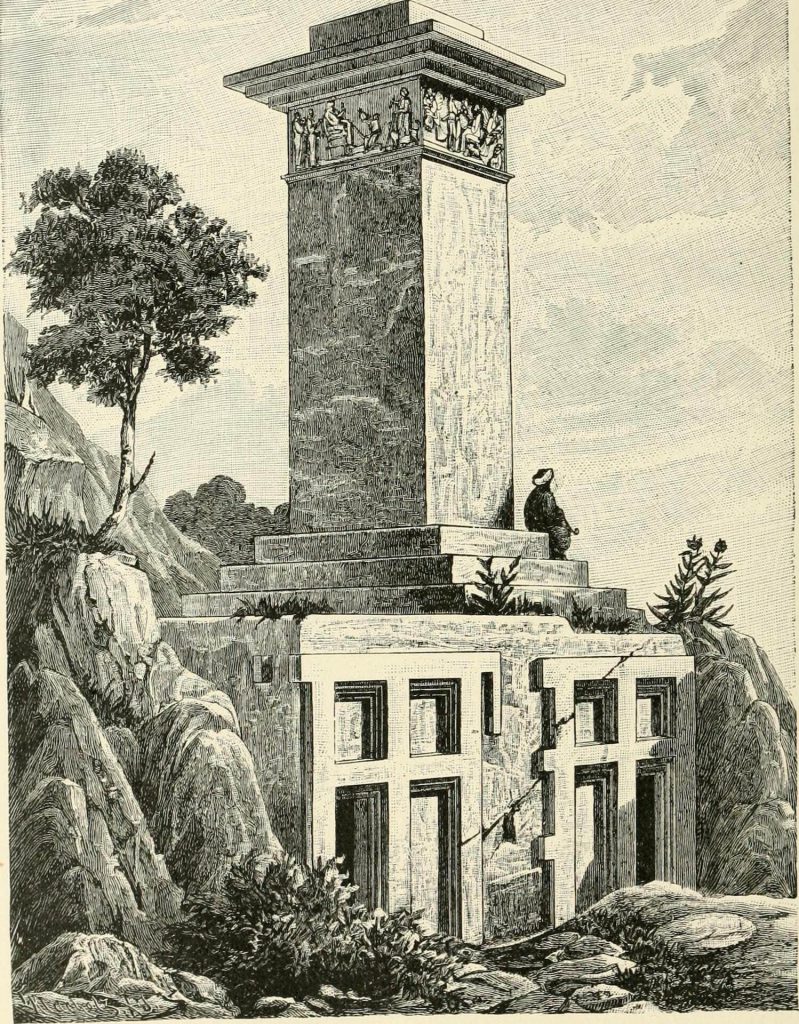
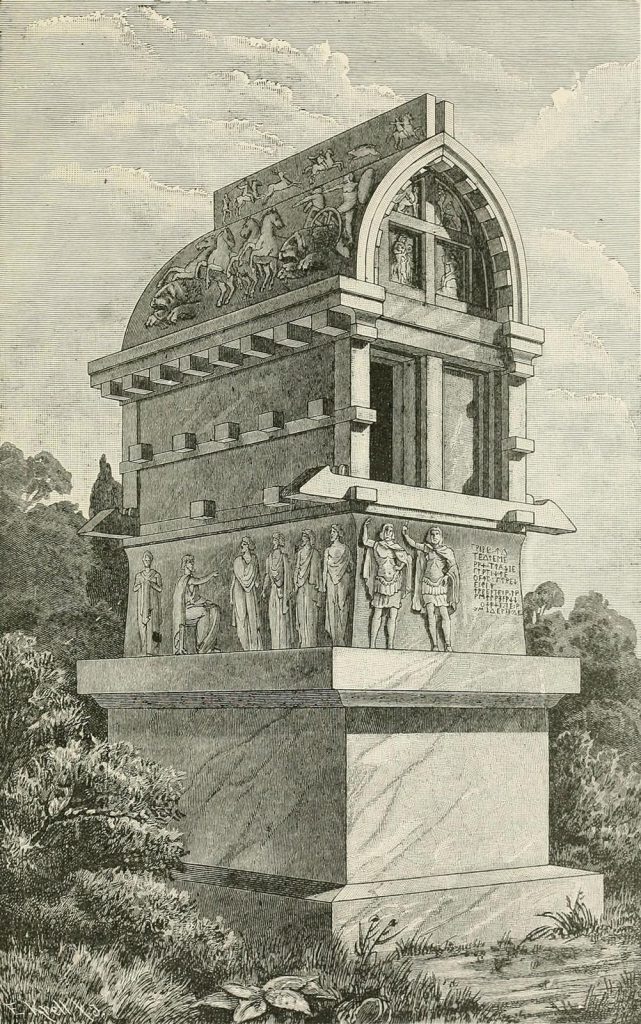
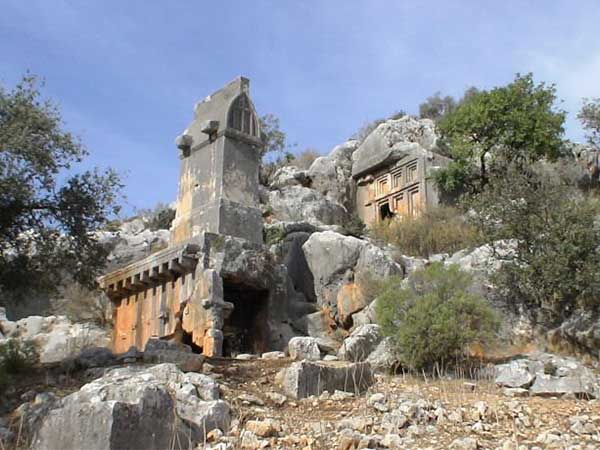
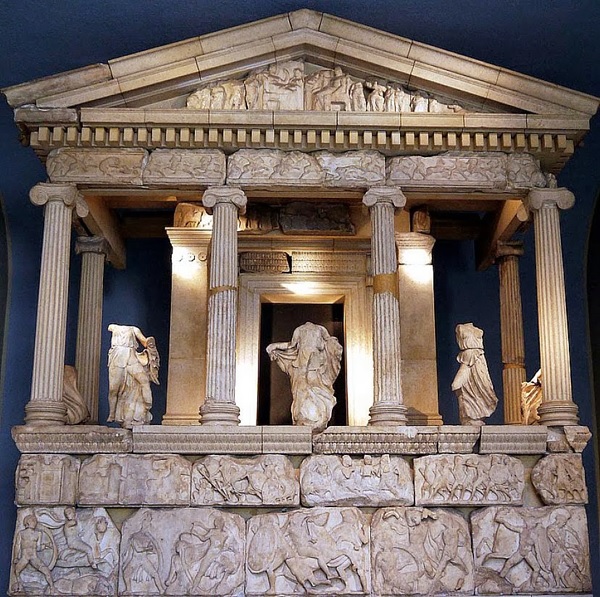
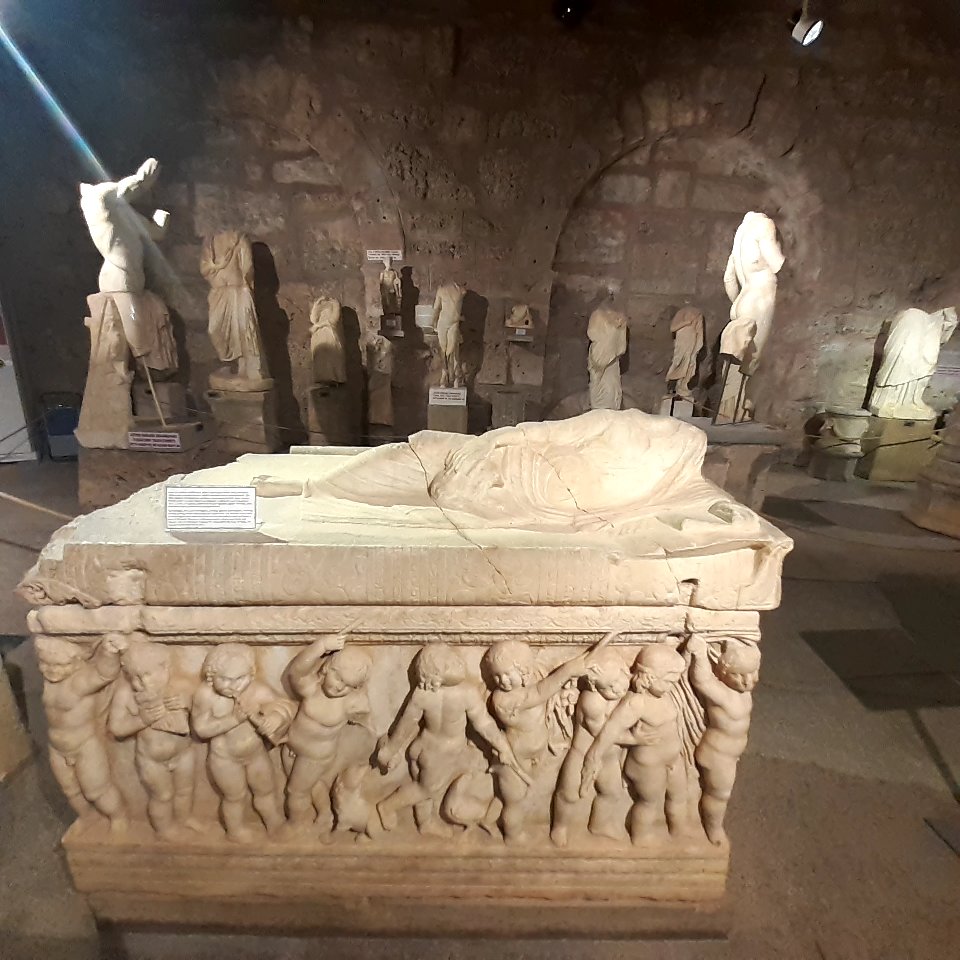
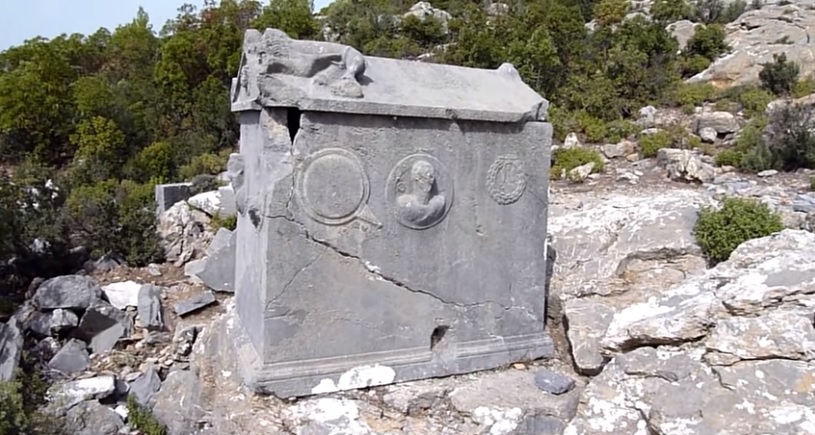
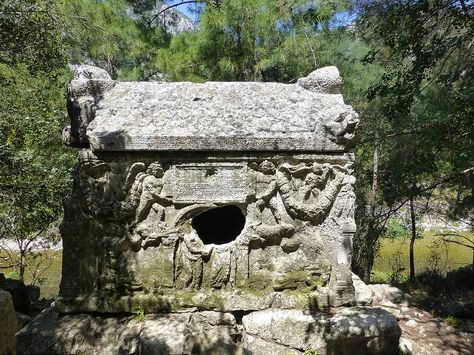
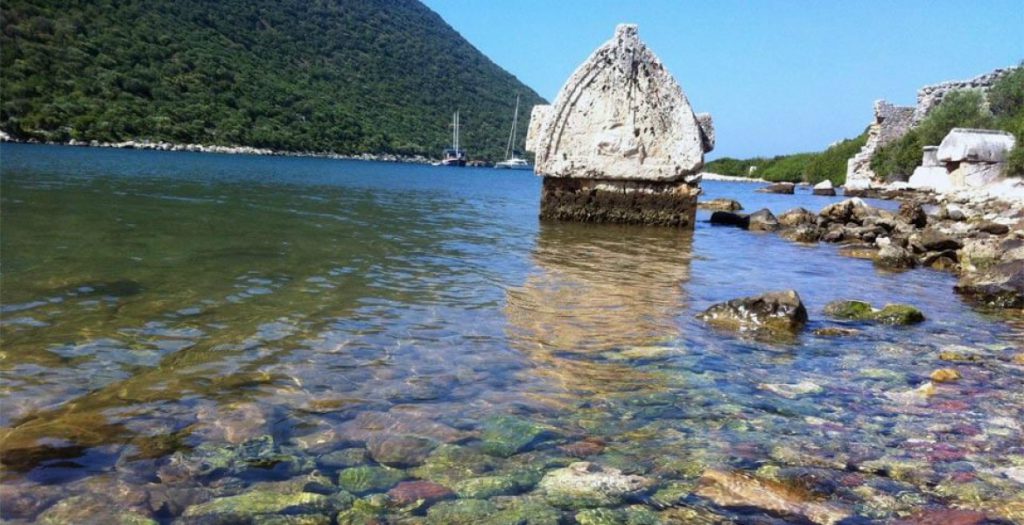
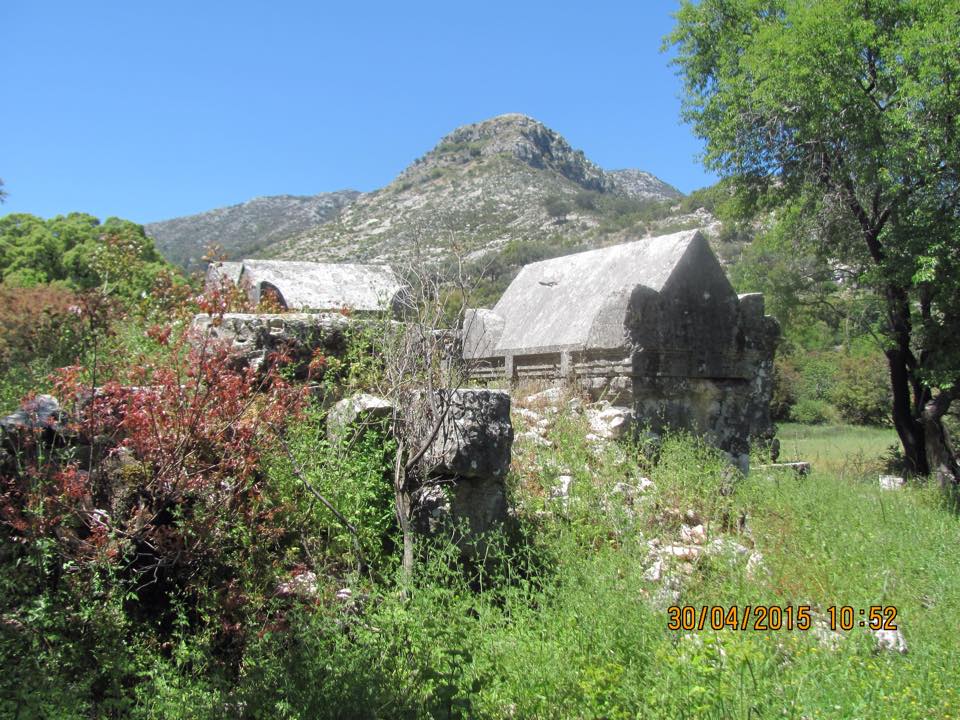
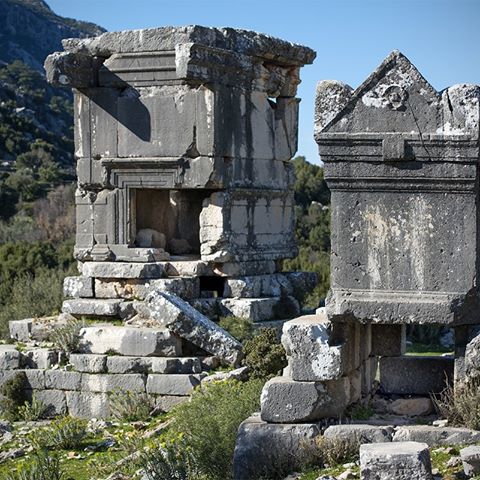
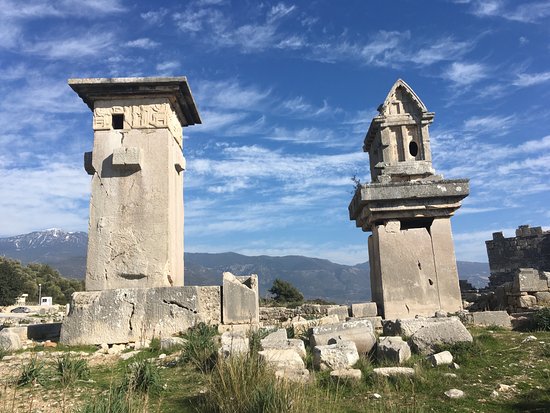
Lycians Live with Their Tombs
While the Lycians lived with their own graves, those who came to rule the city and settled later preferred to bury their deceased relatives outside the city. In these cities, where culture and art were valued as much as their beliefs, one can find many vital, social, and cultural structures, such as theaters, temples, bathhouses, libraries, a council building, a variety of shops in the agora, and a mint where they minted their own coins. The rivalry between these cities in this regard is undeniable.
The city later acquired names such as Attalia and Adalya. A map of the Roman Empire shows the city as "Atalia." In more recent sources, the name appears as Adalia, Sadalia, and Adalya.
Antalya is a very valuable city with its ancient cities that possess the most special heritage in human history.
As of the end of 2019, Antalya, with a population of 2,511,700 and a surface area of 20,177 km², is one of the world's most popular tourism havens within Turkey. With its 19 districts, Antalya Province has witnessed many significant events throughout history due to its geographical location. In addition to being a significant transit point in the development of human history, its status as a region that offers the sought-after sun, sea, and sand within the global tourism landscape has made Antalya a world-renowned destination and a tourism paradise. Antalya Airport, located in Antalya, provides access to major tourism and holiday destinations on the Mediterranean coast from all over the world, connecting people to this world's paradise.
11.06.2021