The Xanthos Ancient City, located within Antalya, is the center of the Lycian civilization and an extremely important historical site. The city stands out not only with its architecture and ancient structures but also with its unique monuments, such as the Nereid Monument. In this article, you will discover the history of Xanthos, the legend of the Nereids, and the major events that took place in ancient times.
Xanthos Ancient City and the Nereid Monument
General Information About the Nereid Monument
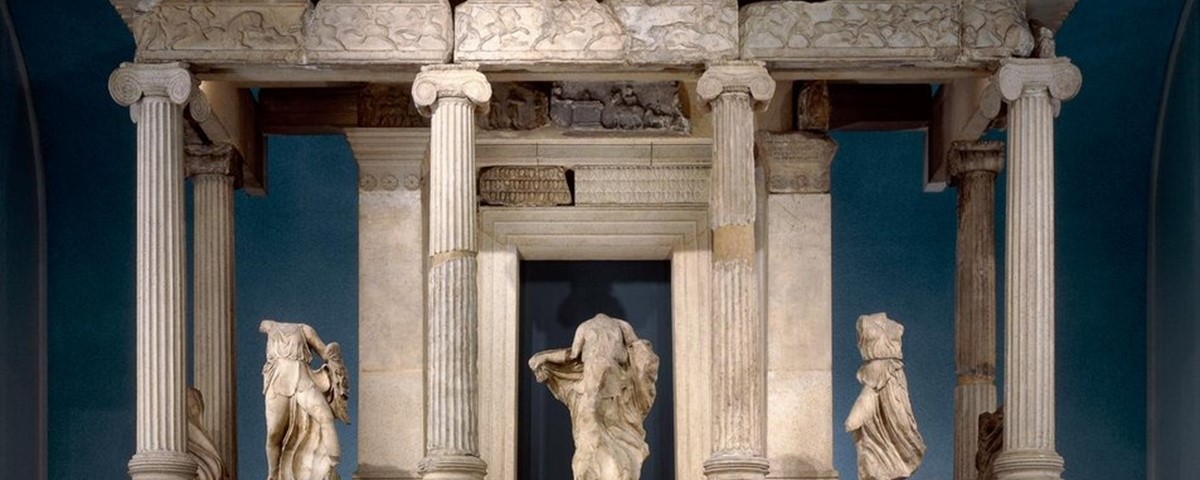
The monument in Xanthos Ancient City takes its name from the sea god Nereus and the daughters of Doris, the Nereids. There were 12 Nereid statues among the columns of the monument; the statues are depicted with flowing garments in the wind, and fish and sea creatures appear beneath their feet. In Greek mythology, Nereids are water nymphs who assist those in difficulty at sea.
The Nereid Legend and Its Anatolian Connection
Research shows that Nereid statues and their legend are a cultural heritage unique to Anatolia. Similar statues are not found outside Anatolia; if they exist, they are usually wall reliefs. Therefore, the origin of the Nereid legend is Anatolian rather than Greek.
Historical Significance of Xanthos
Lycian Ruler Erbinna
The Nereid Monument was actually built in memory of Erbinna, the Lycian ruler of Xanthos. At the center of the monument is a statue of Hebe; Hebe is the daughter of Zeus and Hera and is depicted as the servant of the gods. In Roman mythology, she is known as Juventas. The monument reflects the religious and cultural beliefs of the Lycian people.
Major Disasters in the City
Xanthos experienced many wars and fires throughout history:
-
545 BCE: Resistance against Persian commander Harpagos and collective suicide
-
475–450 BCE: Fire disaster and reconstruction
-
309 BCE: Rule of the Ptolemies and King Antiochus III
-
42 BCE: Roman Brutus’ attack and collective suicide
These events made Xanthos a city with a history filled with both suffering and honor.
Friezes and Statues of the Nereid Monument
Friezes of Erbinna
The friezes of the Nereid Monument depict daily life, hunting scenes, and feasts at the royal court. For example, one frieze shows the stages of a hunt from capturing the prey to serving it as food, illustrating ancient celebrations and social rituals.
Themes of War and Heroism
The upper podium friezes of the monument depict heavily armed hoplites, archers, and battle scenes, reflecting the heroism of the Lycian people and the social order under Erbinna’s rule.
Remnants of Xanthos Ancient City Today
Today, one of the most important remnants of Xanthos is the fragments of the Nereid Monument, exhibited at the Antalya Museum. Made from limestone during the Early Classical Period, these friezes show cavalrymen and scenes of daily life.
Xanthos as a Cultural Heritage
Xanthos Ancient City is not only the center of the Lycian civilization but also a cultural heritage that contributes to world history with unique monuments such as the Nereid Monument. The disasters it faced and the resistance it showed throughout history highlight the importance of Antalya.
03.11.2025