Photo: JuliaLototskaya, Getty Images Pro
The wine tasting notes on the wine make it easy for you to find the most suitable aroma for your taste. There is no certain standard for writing these notes, but it may be necessary to look at certain guides to get more accurate notes. In order to write a wine tasting note, you must first have knowledge about wine aromas. These aromas, which are generally divided into 3 groups, are described below:
● Primary Flavors: These are the aromas from the grape variety. Primary flavors focus more on flowers, herbs and fruits.
● Secondary Aromas: These are the aromas coming from the wine making process. Some of the notes included in the secondary flavors are freshly baked bread, yeast, sour cream and yogurt.
● Tertiary Aromas: These are the aromas resulting from aging in oak or bottle. There are aromas such as clove, vanilla, spice, dill, nutmeg. In general, there is a change from fresh to dry.
Wine Tasting
Although there are no absolute truths about wine tasting, there are certain principles and criteria. Thanks to these, the right aromas can be caught while tasting. Different techniques can be used during tasting. Here is some information to assist you in wine tasting:
● First of all, the goblet should be filled not to the brim, but 1/3 of the way. The goblet should be held by the handle, shaken lightly and smelled. If there is a very bad and heavy odor, the wine is bad or its production is faulty. In addition, it may have deteriorated and turned into vinegar because it was not drunk on time.
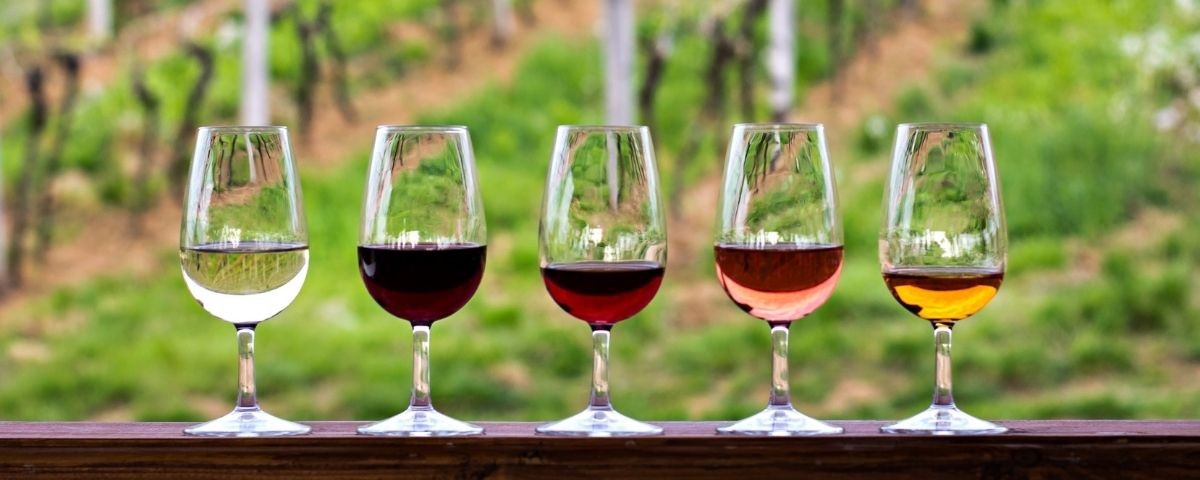
● If the smell of the wine is not bad, the glass is removed a little and the color of the wine is checked. After slightly tilting, attention is paid to the differences in the color of the wine. For this, the corners of the circle are looked at.
●If there are tile or brown color differences in a newly made red wine, it means that it oxidizes or ages quickly.
● If there are colors such as ocher, brown or amber in a newly produced white wine, the same problem applies to this wine as well.
● Other than these, if the color of the wine is pale or cloudy, the wine is not good.
Taking this information into account when tasting through wine tastings places will ensure you make the right choice.
Notes to be taken at Wine Tasting
If you are wondering the answer to the question of which wine is better, you should take care to take detailed notes during the tasting. After examining the smell and appearance of the wine, you should start tasting and take notes about the aromas. Notes to take while tasting include:
● Most importantly, does it reflect the flavor aroma that the wine leaves on your palate? Does a wine that you detect spice aromas leave the same aromas on your palate? Do you also taste the citrus flavors you hear while smelling?
● If you are getting fruit flavors, how do they taste? Is it fresh or crisp or rather dry?
● How high is the alcohol level of the wine? Does it burn as it passes through your palate or does it leave a softer feeling?
● Do you discover new notes and aromas after the second sip? Does it get more complex as you drink, or does it go mundane?
While taking wine notes, you should proceed in such a way that you can find the answers to these questions. In order to get answers to these questions, you should not swallow the wine immediately, you should pass it on your palate for a while and let the wine come into contact with your tongue and palate.
Blind Tasting
Blind tasting, which is one of the wine tasting techniques, is quite famous and especially preferred by wine tasters. This tasting, which is done by hiding the wine bottles, is to ensure that people do not make a regional prejudice because of the wine bottle. Thanks to the blind tasting, which allows to make an objective evaluation, you can easily find the wine that appeals to your taste, regardless of the producer, region and grape variety. Also in some cases wines are known; but the order in which it was tasted is unknown. This method is also called blind tasting.
Full blind tastings are also offered by different wine tasting places. In this method, the eyes are completely closed. Basically, the aim of all blind tasting techniques is to make an objective assessment. However, there is a misconception: blind tasters need to know the brand, region, grape variety of the wine. This is a false belief; because it is important to make an objective comment about that wine rather than knowing the characteristics of the wine. For this reason, one should not expect to find out what the wine is while tasting blindly.
08.02.2022