In hospitality, occupancy alone does not define long-term success. A hotel can achieve strong seasonal performance, attract thousands of visitors, and still fail to build genuine guest loyalty. At the same time, certain hotel brands consistently generate repeat visitors who return year after year, recommend the property to others, and emotionally associate their holidays with the hotel itself rather than only the destination.
This difference rarely happens by accident. Guest loyalty is not created through marketing slogans or discount campaigns alone. It emerges through the consistent delivery of comfort, emotional familiarity, operational trust, and memorable experiences across every stage of the guest journey.
In highly competitive resort destinations such as Antalya, where travellers can choose among hundreds of hotels within the same coastline, understanding why some hotels create repeat guests while others remain one-time choices becomes especially important.
Loyalty in Hospitality Is Emotional Before It Is Transactional
Many hotels misunderstand loyalty by reducing it to points systems, discounts, or membership benefits. While these tools may encourage repeat bookings, they do not necessarily create emotional attachment.
Real hospitality loyalty is psychological. Guests return when a hotel becomes associated with certainty, relaxation, comfort, and positive emotional memory. Travellers want to feel confident that their holiday will meet expectations without unnecessary risk or disappointment.
This is particularly true for families. Parents travelling with children often prioritise predictability over experimentation. Once they find a resort where the rooms function well, the dining experience feels reliable, the children remain entertained, and the overall atmosphere feels comfortable, the motivation to “risk another hotel” decreases significantly.
Hotels that understand this emotional dimension tend to create long-term relationships rather than one-time transactions.
Operational Consistency Builds Guest Trust
One of the strongest drivers of repeat visitation is operational consistency. Guests do not return simply because a hotel looked impressive once. They return because the quality remains stable across multiple visits.
Inconsistent hotels create uncertainty. A guest who experiences excellent service one year but operational decline the next loses confidence quickly. In contrast, hotels that maintain stable food quality, room cleanliness, entertainment standards, staff professionalism, and service pacing build trust over time.
Consistency is especially important in all-inclusive hospitality because the guest experience depends on hundreds of daily operational interactions. Restaurant flow, housekeeping timing, pool cleanliness, children’s activities, check-in efficiency, and beverage service all contribute to overall perception.
When these systems function smoothly year after year, guests begin to view the hotel as dependable rather than merely attractive.
The Best Hotels Reduce Cognitive Load for Guests
One overlooked reason guests become loyal to specific hotels is the reduction of decision fatigue. Modern travellers often experience high mental load in daily life, and holidays increasingly function as recovery periods rather than exploration projects.
Hotels that create loyalty simplify the guest experience. Visitors do not need to constantly think about logistics, meal planning, entertainment scheduling, transportation, or problem-solving.
Well-designed resort environments create intuitive movement patterns, clear service structures, and predictable operational rhythms. Guests quickly understand how the environment works, which creates relaxation beyond physical comfort alone.
This operational ease becomes deeply valuable for repeat visitors. Returning guests often appreciate familiarity as much as luxury itself.
Staff Interaction Shapes Emotional Memory
Architecture may attract first-time visitors, but human interaction largely determines whether guests return.
Hotels that create long-term loyalty usually invest heavily in hospitality culture rather than surface-level service scripts. Guests remember how staff made them feel, especially during moments requiring flexibility, empathy, or personal attention.
Small interactions often influence loyalty more than large gestures. Remembering guest preferences, greeting returning visitors warmly, responding quickly to issues, and maintaining calm professionalism under pressure all contribute to emotional trust.
Importantly, guests rarely expect perfection. What they value more is responsiveness and sincerity when problems arise.
In resort hospitality, emotional consistency often matters as much as operational consistency.
Family-Friendly Hotels Create Multi-Year Guest Relationships
Family-oriented resorts operate differently from adult-only or city hotels because they often become part of recurring family traditions.
Children remember water parks, entertainment teams, favourite desserts, evening shows, and familiar holiday routines. Parents remember whether the holiday felt manageable and stress-free.
Hotels capable of serving both generations effectively gain a major loyalty advantage. If children enjoy the resort while adults still experience comfort and relaxation, the probability of repeat booking increases dramatically.
This is one reason many successful Antalya resorts maintain strong returning family guest ratios over long periods.
Luxury Alone Does Not Create Loyalty
Many luxury hotels assume high-end design automatically creates repeat visitors. In reality, visual luxury without emotional comfort often produces only one-time curiosity.
Guests may admire impressive architecture, large lobbies, or premium materials, but loyalty depends more on usability than spectacle.
A resort that feels easy, emotionally warm, operationally smooth, and consistently comfortable often outperforms a visually dramatic hotel that feels stressful or impersonal.
True hospitality loyalty is built through lived experience rather than visual impact alone.
Hotels That Understand Guest Psychology Perform Differently
The strongest hotel brands understand that travellers are not only purchasing accommodation. They are purchasing emotional outcomes.
Some guests seek calmness. Others seek family bonding, convenience, entertainment, romance, or temporary escape from routine. Hotels that align their operational model with these psychological motivations tend to create stronger repeat behaviour.
This alignment affects everything from resort layout and entertainment programming to lighting, music levels, restaurant organisation, and staff communication style.
Hotels that fail to understand guest psychology often create fragmented experiences where facilities exist but emotional satisfaction remains weak.
Repeat Guests Value Familiarity More Than Constant Novelty
A common misconception in hospitality is that guests always want dramatic innovation. In reality, many repeat travellers value familiar quality over constant reinvention.
Returning guests often choose the same hotel precisely because they already understand the atmosphere, food standards, room structure, beach layout, and service rhythm.
This familiarity reduces uncertainty and allows guests to emotionally relax faster during the holiday.
Successful hotels evolve carefully without disrupting the core experience that returning guests already trust.
Why Delphin Hotels Creates Strong Repeat Guest Loyalty
Within Antalya’s competitive hospitality market, Delphin Hotels has built strong repeat visitor patterns by combining operational reliability with emotional familiarity.
The resorts maintain structured service standards while also creating environments that feel approachable rather than overly formal. Families, couples, and international travellers often return because they already understand the rhythm of the experience.
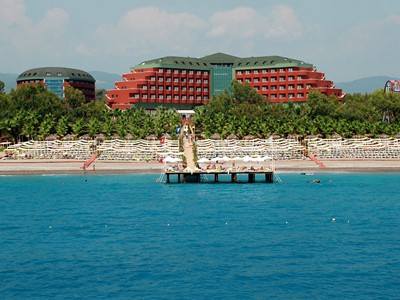
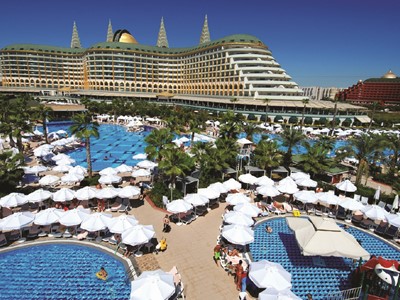
Properties such as Delphin Imperial, Delphin BE Grand Resort, Delphin Palace, and Delphin Deluxe balance entertainment, comfort, dining variety, and family accessibility without creating operational chaos.
This balance helps guests feel both emotionally comfortable and practically supported throughout the holiday.
For repeat visitors, the familiarity of the Delphin Hotels experience becomes part of the holiday value itself.
Hotels Become Replaceable When Experiences Feel Generic
Hotels that fail to create loyalty often suffer from emotional neutrality. The guest may have “no complaints,” yet also no strong reason to return.
Generic hospitality experiences are easily replaceable because they create little emotional memory. If the service feels transactional, the environment lacks identity, or the operational flow feels inconsistent, guests begin searching for alternatives immediately after departure.
In contrast, hotels that create distinctive emotional experiences remain psychologically present long after the holiday ends.
That emotional residue is what ultimately drives repeat bookings.
The Difference Between Selling Rooms and Building Loyalty
Hotels focused only on short-term occupancy often optimise for transactions. Hotels focused on long-term brand strength optimise for relationships.
This difference shapes operational decisions across every department. Service design, staffing culture, entertainment planning, family infrastructure, culinary consistency, and guest communication all become part of loyalty architecture rather than isolated functions.
In resort hospitality, long-term success rarely comes from being merely impressive once. It comes from becoming emotionally dependable over time.
That is why some hotels continuously attract returning guests, while others remain places people visit only once.
01.06.2026