Food is not a side element of a holiday in Antalya; it is one of the core experiences that shapes how visitors remember their stay. British tourists researching Turkish cuisine before travelling often want clarity on three things: what traditional Turkish food actually tastes like, which dishes are globally recognised, and whether authentic flavours can be experienced within a high-quality resort environment. Antalya provides strong answers to all three.
Turkish cuisine is built on centuries of culinary evolution shaped by Ottoman palace traditions, regional Anatolian cooking, Mediterranean produce, and a deep culture of hospitality. In Antalya, this heritage is expressed through grilled meats, olive oil-based dishes, fresh herbs, yoghurt, seafood, and an extensive dessert tradition. For British travellers planning a holiday in Turkey, understanding what to expect from the food scene enhances both confidence and anticipation.
Understanding the Foundations of Turkish Cuisine
Turkish cuisine is structured around balance. Meals are rarely built around a single dominant flavour. Instead, dishes combine protein, vegetables, grains, and dairy in carefully proportioned compositions. Olive oil plays a central role, particularly in vegetable dishes known as “zeytinyağlılar.” Yoghurt is not simply a side product but a culinary component used in sauces, marinades, and soups.
Bread is fundamental. Freshly baked pide, lavash, and simit are present at nearly every meal. Unlike heavily processed bread products, Turkish bread is typically served warm and designed to complement grilled meats and mezze.
Meze culture is another defining characteristic. Rather than starting with a single appetiser, Turkish dining often begins with a selection of small plates such as hummus, haydari (strained yoghurt with herbs), ezme (finely chopped tomato and pepper salad), stuffed vine leaves, and aubergine-based dips. This format allows guests to sample multiple flavours within one sitting.
For British tourists unfamiliar with this structure, the experience feels abundant yet balanced rather than overwhelming.
Globally Recognised Turkish Dishes to Try in Antalya
Several Turkish dishes are internationally known, but tasting them in Antalya offers a higher level of authenticity and ingredient quality.
Kebabs represent the most recognisable category. Adana kebab is made from minced lamb blended with spices and grilled over charcoal, producing a smoky and slightly spicy profile. Şiş kebab features marinated cubes of meat grilled on skewers. Unlike heavily sauced adaptations abroad, these are served with grilled vegetables, rice or bulgur, fresh herbs, and yoghurt-based accompaniments.
Döner is another globally recognised dish. In Turkey, it is prepared with high-quality cuts of lamb, beef, or chicken, slow-roasted vertically and sliced thinly. The flavour profile is cleaner and less greasy than many international versions.
Lahmacun, often described as Turkish flatbread with minced meat and herbs, is light, crisp, and typically served with lemon and parsley. Pide, sometimes called Turkish pizza, features toppings such as cheese, minced meat, or spinach, baked in a stone oven.
Manti, Turkish dumplings filled with seasoned meat and topped with yoghurt and garlic sauce, offer a softer, comfort-oriented flavour profile.
These dishes represent the culinary identity that many British travellers recognise, but the quality and presentation in Antalya elevate the experience.
Signature Dishes of Antalya and the Mediterranean Region
Antalya’s location on the Mediterranean coast shapes its regional cuisine. Fresh vegetables, citrus fruits, seafood, and olive oil dominate the local food culture.
Piyaz, a traditional Antalya bean salad made with tahini dressing, differs from standard bean salads by incorporating sesame paste, lemon, garlic, and sometimes boiled egg. It is both hearty and refreshing.
Fresh sea bass and sea bream are widely available in coastal restaurants. Grilled simply with olive oil and lemon, they reflect the region’s emphasis on ingredient purity.
Gözleme, a thin flatbread filled with cheese, spinach, or minced meat, is often prepared fresh and served hot. It is lighter than many pastry-based snacks familiar to British visitors.
Citrus-based desserts and pomegranate syrups appear frequently in local menus due to the region’s agricultural production.
Understanding these regional nuances allows British tourists to differentiate between general Turkish dishes and those specific to Antalya.
Turkish Desserts and Sweet Traditions
Desserts in Turkey are deeply rooted in Ottoman culinary heritage. Baklava is perhaps the most internationally recognised, made from layers of filo pastry, pistachios or walnuts, and syrup. In Antalya, high-quality pistachio baklava is widely available.
Künefe, a dessert made from shredded pastry filled with melted cheese and soaked in syrup, offers a contrast of textures: crisp exterior and soft interior.
Rice pudding, known as sütlaç, provides a lighter option for those preferring less sweetness.
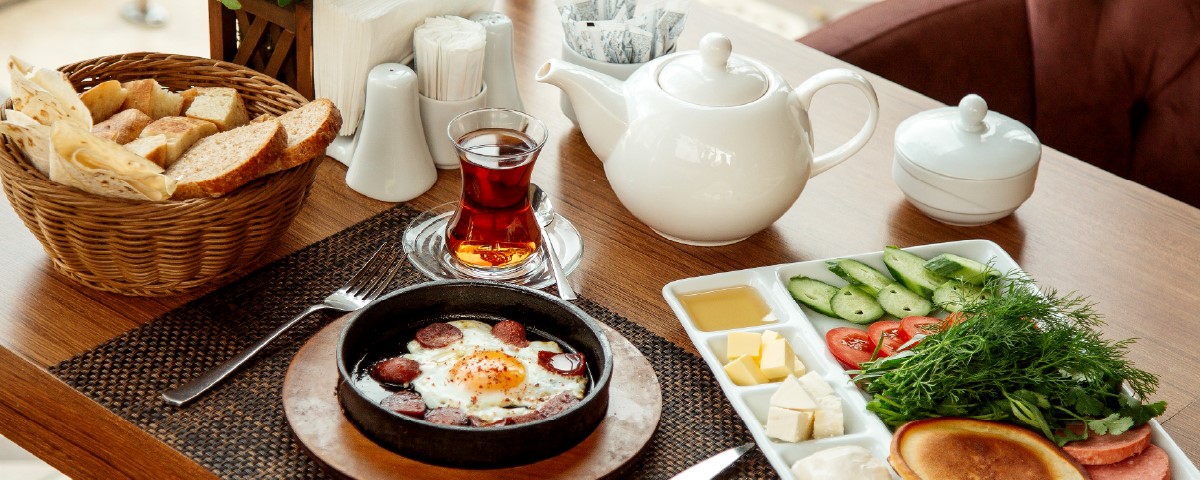
Turkish tea and Turkish coffee accompany desserts and reflect the social aspect of dining. Tea is served in small tulip-shaped glasses, while coffee is strong and unfiltered, often accompanied by a small sweet.
For British visitors, these rituals become part of the cultural immersion rather than simply the end of a meal.
Experiencing Turkish Cuisine at Delphin Hotels
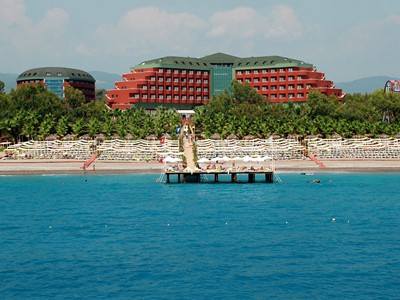
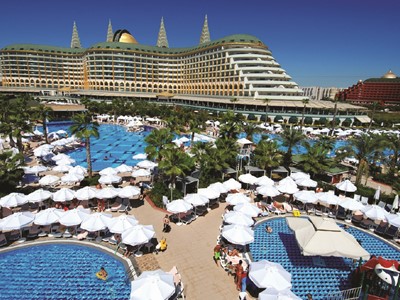
For guests staying at Delphin Hotels in Antalya, Turkish cuisine is not limited to external exploration. Authentic dishes are integrated into the resort’s culinary offering while maintaining international standards of presentation and hygiene.
Open buffet sections typically include traditional Turkish appetisers, grilled kebabs, regional vegetable dishes, and classic desserts. Dedicated Turkish-themed evenings allow guests to explore a broader range of local recipes in a structured format.
Importantly, this inclusion does not dominate the entire dining experience. International options remain available, ensuring comfort for travellers who prefer gradual culinary exploration. This balance allows British tourists to engage with Turkish flavours at their own pace.
Delphin Hotels emphasise ingredient quality, variety, and clear labelling, which is particularly valuable for guests with dietary considerations.
What British Tourists Should Know About Turkish Dining Culture
Portion sizes in Turkey are generous. Meals are often shared, especially in meze-style dining. Hospitality is a central cultural value, and restaurant staff may offer recommendations enthusiastically.
Spice levels are generally moderate rather than extreme. While some regional dishes contain chilli, most Turkish food prioritises flavour depth over heat intensity.
Vegetarian options are abundant due to the strong presence of vegetable-based dishes and legumes. Fresh salads and olive oil dishes provide lighter alternatives during hot summer months.
Tipping is appreciated but not compulsory. Service culture tends to be attentive and respectful, particularly in tourist-oriented areas of Antalya.
Why Turkish Cuisine Enhances a Holiday in Antalya
Exploring Turkish cuisine in Antalya transforms a beach holiday into a broader cultural experience. Food connects travellers with local traditions, agricultural practices, and centuries-old recipes still prepared today.
For British tourists planning a stay in Antalya, understanding the depth and diversity of Turkish cuisine builds anticipation and confidence. From globally recognised dishes like kebab and baklava to regional specialities unique to the Mediterranean coast, the culinary landscape offers far more than simple resort dining.
Within Delphin Hotels and beyond, Turkish cuisine in Antalya provides flavour, variety, and authenticity in equal measure. For many visitors, it becomes one of the most memorable aspects of the entire holiday experience.
26.02.2026